
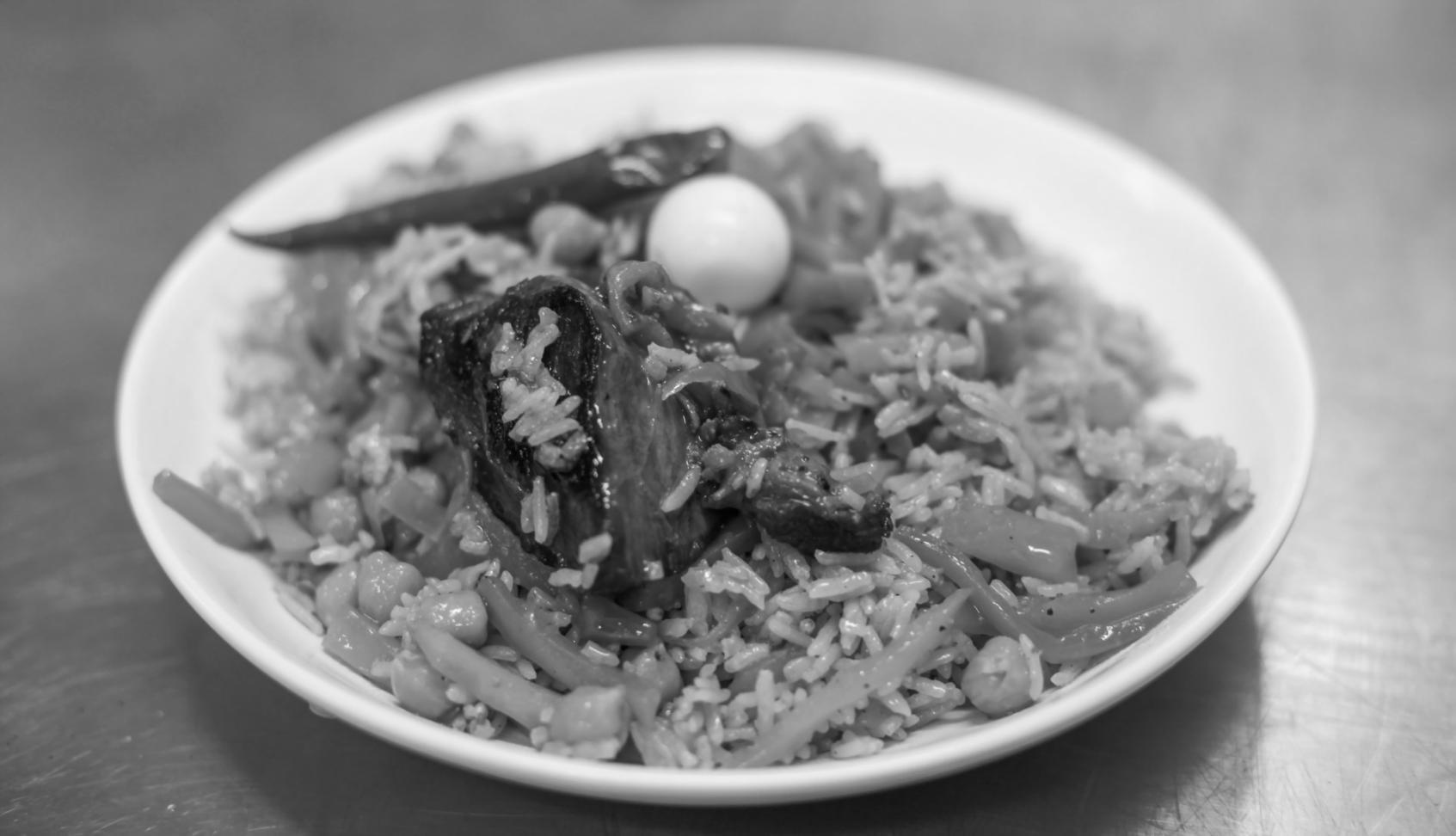
Three Foundation Principles
Successful plating isn't about following rigid rules. It's about understanding core visual concepts and applying them with intention to your specific cuisine and style.
Spatial Awareness
The plate is your canvas, but negative space matters as much as what you place. Learning to see the relationship between elements creates breathing room that lets each component shine without competing for attention.
Color Dynamics
Natural pigments in food create their own palette. Understanding complementary and analogous color relationships helps you build plates that feel harmonious rather than chaotic, even when working with diverse ingredients.
Textural Contrast
Visual texture creates anticipation. Combining smooth purees with crispy elements or rough textures with delicate garnishes communicates the eating experience before the fork touches the plate.
Building Plates That Connect
Most plating techniques you see in magazines look impressive but don't translate to real service conditions. We focus on approaches that work during busy shifts while still elevating your presentation standards.
You'll work with actual time constraints and realistic kitchen scenarios. The goal isn't perfection in controlled conditions — it's developing muscle memory for consistent, attractive plating when you're in the weeds.
8 weeks
Structured learning with hands-on practice
12 modules
Progressive skill development

How Learning Unfolds
Visual Fundamentals
Start with basic composition principles borrowed from visual arts. You'll learn how to see plates as compositions with focal points, movement, and balance rather than just placing food.
Technique Application
Move into specific plating methods — saucing techniques, garnish placement, height creation, and negative space management. Each technique gets practiced with immediate feedback.
Style Development
Work on finding your own visual voice. Some chefs prefer minimal elegance, others embrace abundance. We help you identify what resonates with your culinary philosophy.
Real Service Integration
Test your skills under realistic conditions with time limits and multiple plates. This phase reveals which techniques hold up during service and which need adjustment.
Practical Plating Scenarios
These examples come from actual course sessions. Each demonstrates different compositional approaches adapted to specific dish requirements and service realities.

Layered Compositions
Working vertically creates drama but requires structural thinking. You need components that stack logically while maintaining stability throughout service.
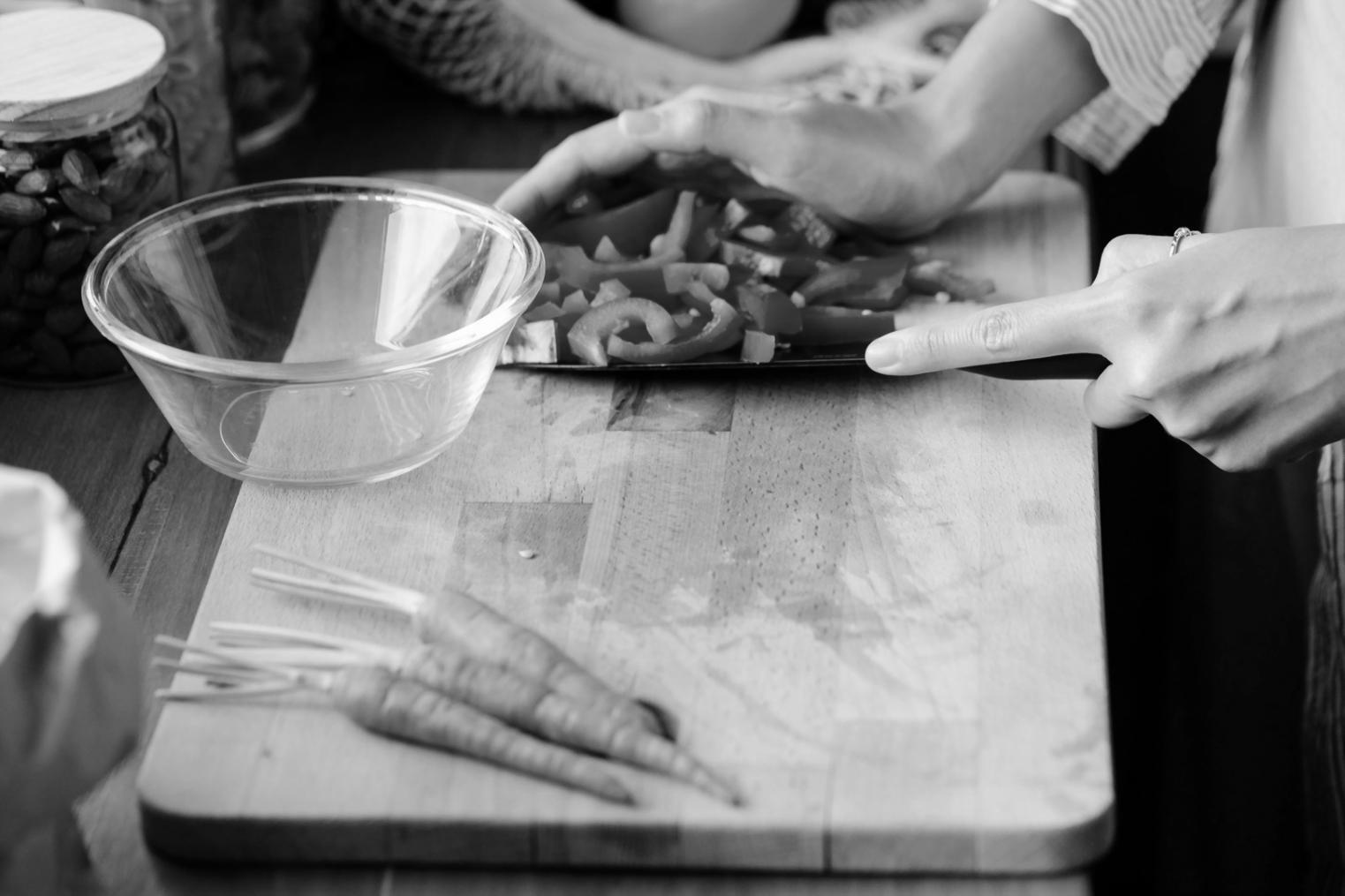
Linear Arrangements
Straight-line plating works particularly well for tasting menus where you're presenting multiple small elements that need individual recognition within unified composition.
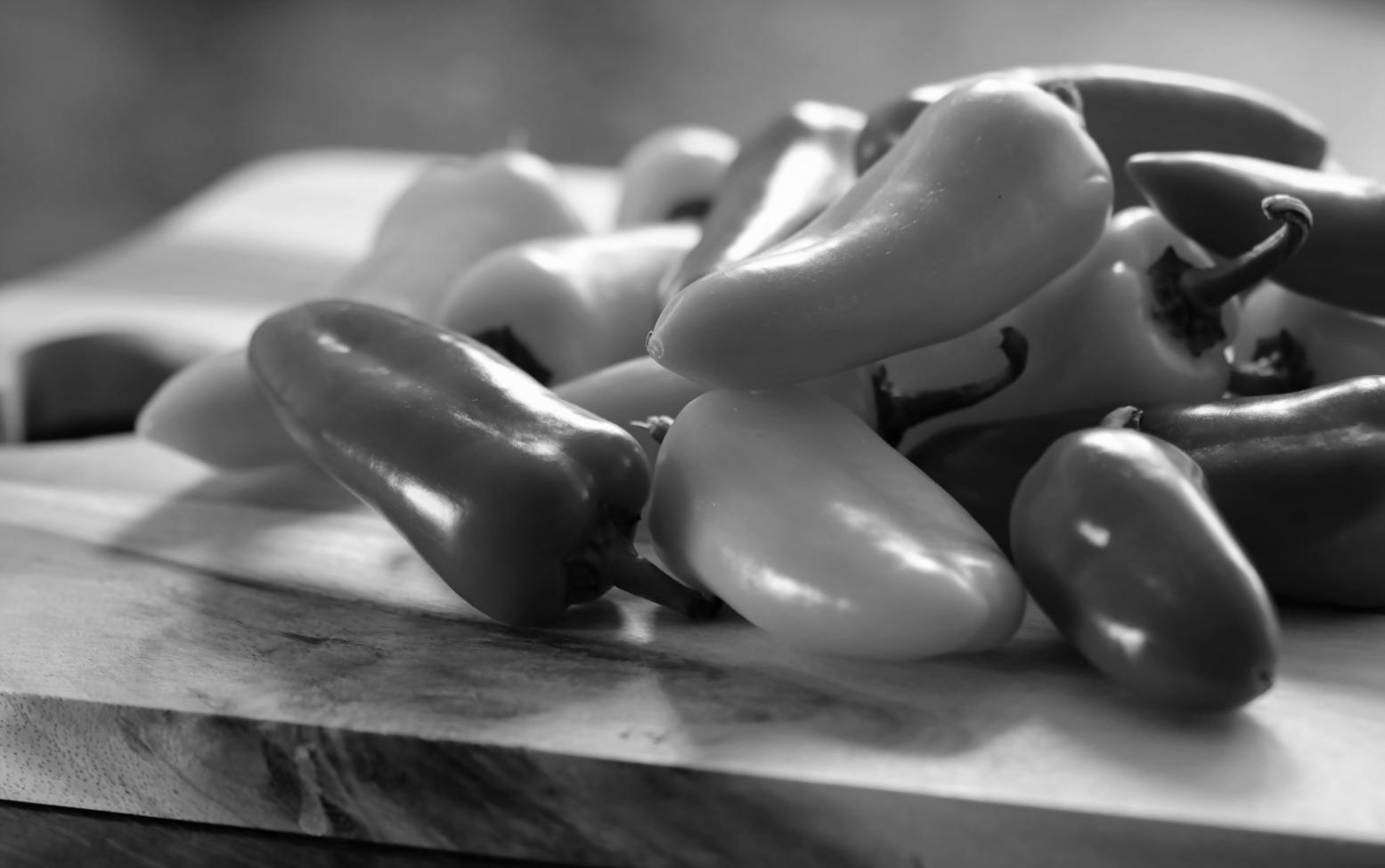
Radial Patterns
Circular arrangements draw the eye inward toward a central element. This approach naturally creates hierarchy and works beautifully with round plates when you want focused attention.
Program Components Breakdown
Understanding what you're getting helps set realistic expectations. Here's how the curriculum allocates time across different skill areas during the eight-week program.
| Component | Format | Duration | Practice Focus |
|---|---|---|---|
| Composition Theory | Video lectures with visual analysis | 6 hours | Understanding visual principles |
| Technique Demonstrations | Live instruction with multiple angles | 12 hours | Specific plating methods |
| Hands-On Practice | Self-paced with submission reviews | 20 hours | Building muscle memory |
| Critique Sessions | Group reviews with instructor feedback | 8 hours | Refinement and adjustment |
| Service Simulations | Timed plating challenges | 6 hours | Speed with consistency |
| Style Development | One-on-one mentorship | 4 hours | Personal aesthetic |
Ready to Transform Your Plating Approach?
The next cohort starts soon, and we keep class sizes deliberately small to ensure everyone gets meaningful attention during practice sessions. If you're tired of plates that feel rushed or inconsistent, this might be the right time to invest in developing this particular skill set.